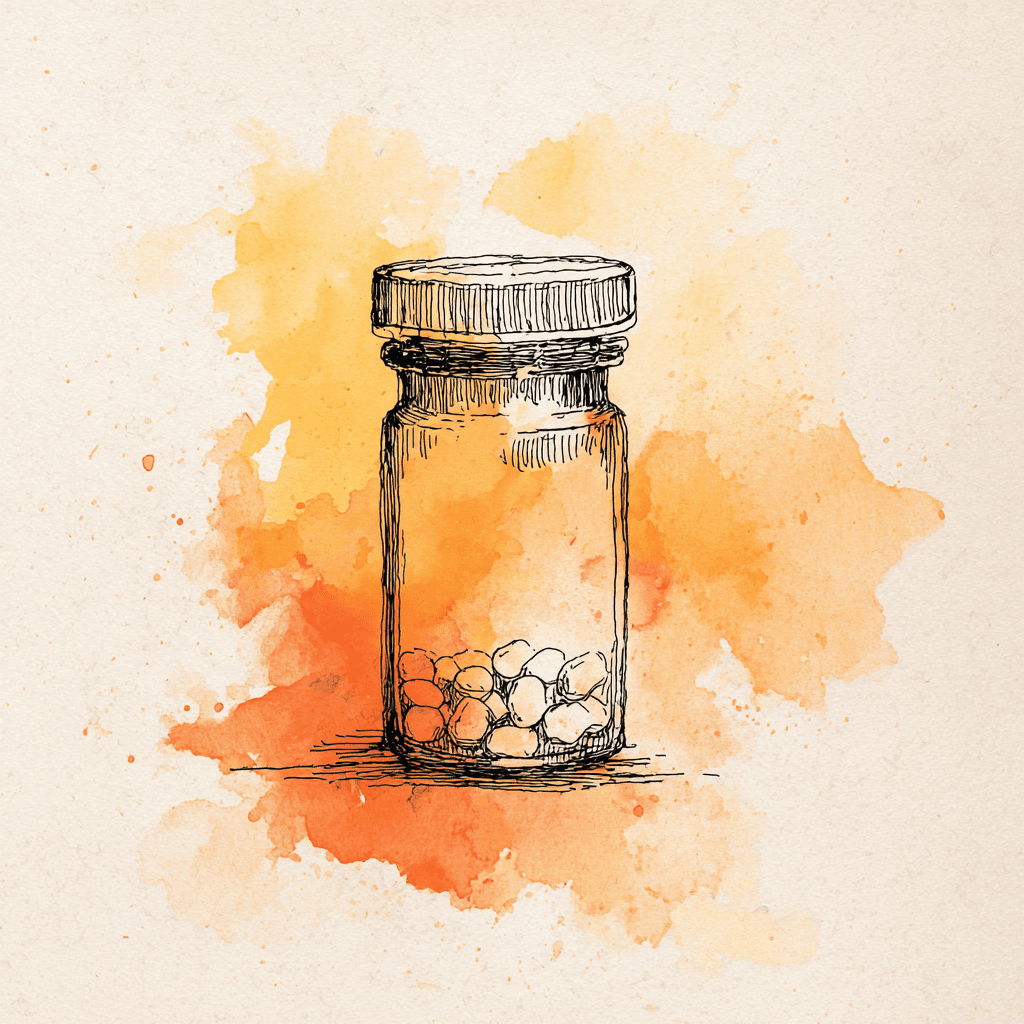


You make a life-saving drug. It costs you just $17. But by the time it reaches a pharmacy, it sells for $2,500.
You heard that right.
America spends more on healthcare than any country in the world, yet millions cannot afford even basic medicines. So where is all the extra money going?
Here’s how it works: the manufacturer produces the drug and sells it to middlemen. From there, it passes through wholesalers, distributors, pharmacy benefit managers, insurers, and local pharmacies. Each adds markup. By the time the drug reaches the patient, the price has ballooned.
To fight this, Mark Cuban launched Cost Plus Drugs. Instead of letting layers of intermediaries inflate prices, his model buys directly from drug manufacturers. Then it adds a fixed markup of 15 percent, a small pharmacy handling fee, and shipping. The pricing is fully transparent: you see exactly what the drug cost and how much is added.
The impact is massive. Drugs that once sold for thousands now cost a fraction. For example, imatinib, a chemotherapy drug that often appears at $2,500, is priced at about $13.40 under this model. Some medications see price cuts of over 90 percent.
Still, this system is not perfect. It currently focuses mostly on generic drugs and does not always integrate with insurance, meaning patients may need to pay out of pocket. But for people without insurance or with high deductibles, the savings can be life-changing.
If a pill that costs $17 can sell for $2,500, it isn't just a problem of greed or inefficiency - it’s a system built to obscure cost. Cost Plus Drugs shows one path to rebuild pricing with fairness and clarity. Because medicine should not be a luxury. It should be a right.